
SOULVENIR
soulvenir
is a travel matchmaking service that connects local makers and travellers through the charm of souvenirs.
✦
Practise : Service design @ CIID
Timeline: 3 weeks
Project team: Ale, Diana, Martin, Shin
Tools: Figma, Framer, Miro, Adobe Suite
FULL CONCEPT VIDEO ↓
The idea
Our team wanted to rekindle the value of a souvenir. As the souvenir industry is getting more commercialised, more waste are created and people started taking it for granted as it loses it's genuine value. What if souvenir could be something that attracts you to start on a journey? What if it could be the start of the red thread that leads to an authentic local experience with people of the other side of the world?
For travelers and local makers
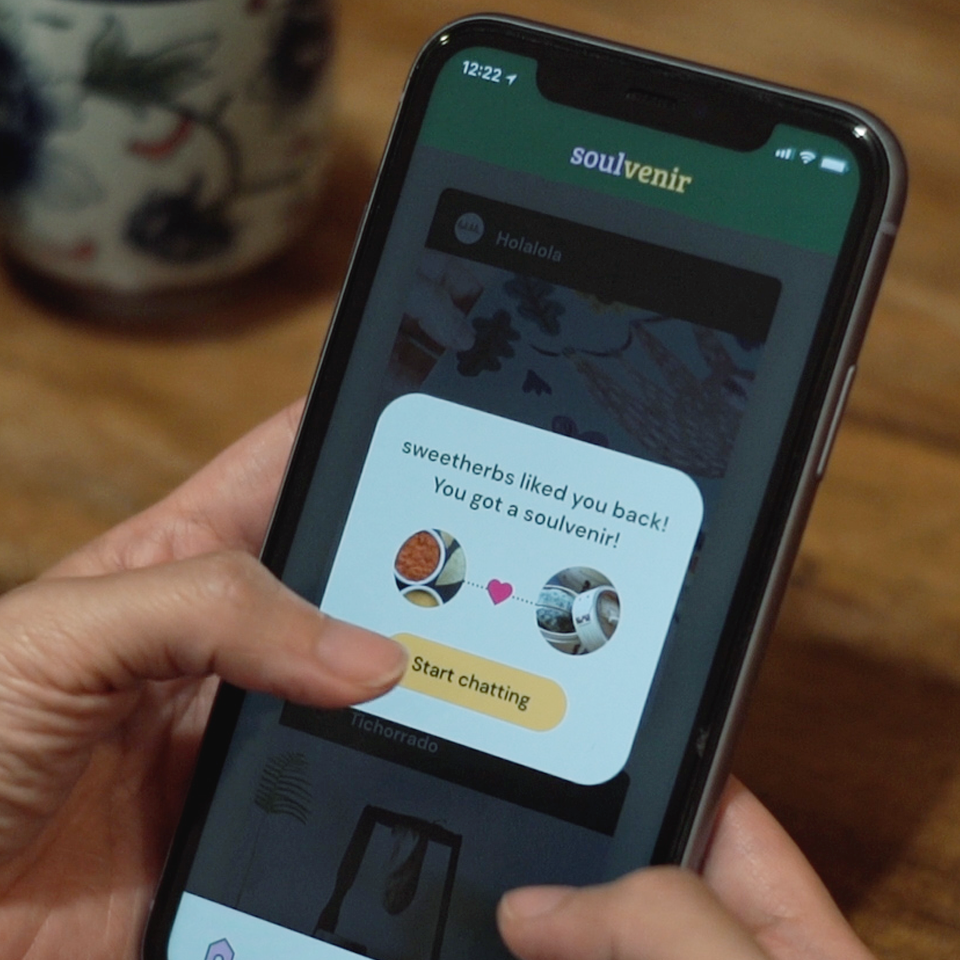
Tinder-style souvenir matchmaking system. Browse the souvenirs and send a ❤ to the local maker. If they like you back, chat is activated for more conversation.
The makers could also set some fun quizzes for extra compatibility check to ensure the chemistry is there for both sides.
Among local makers
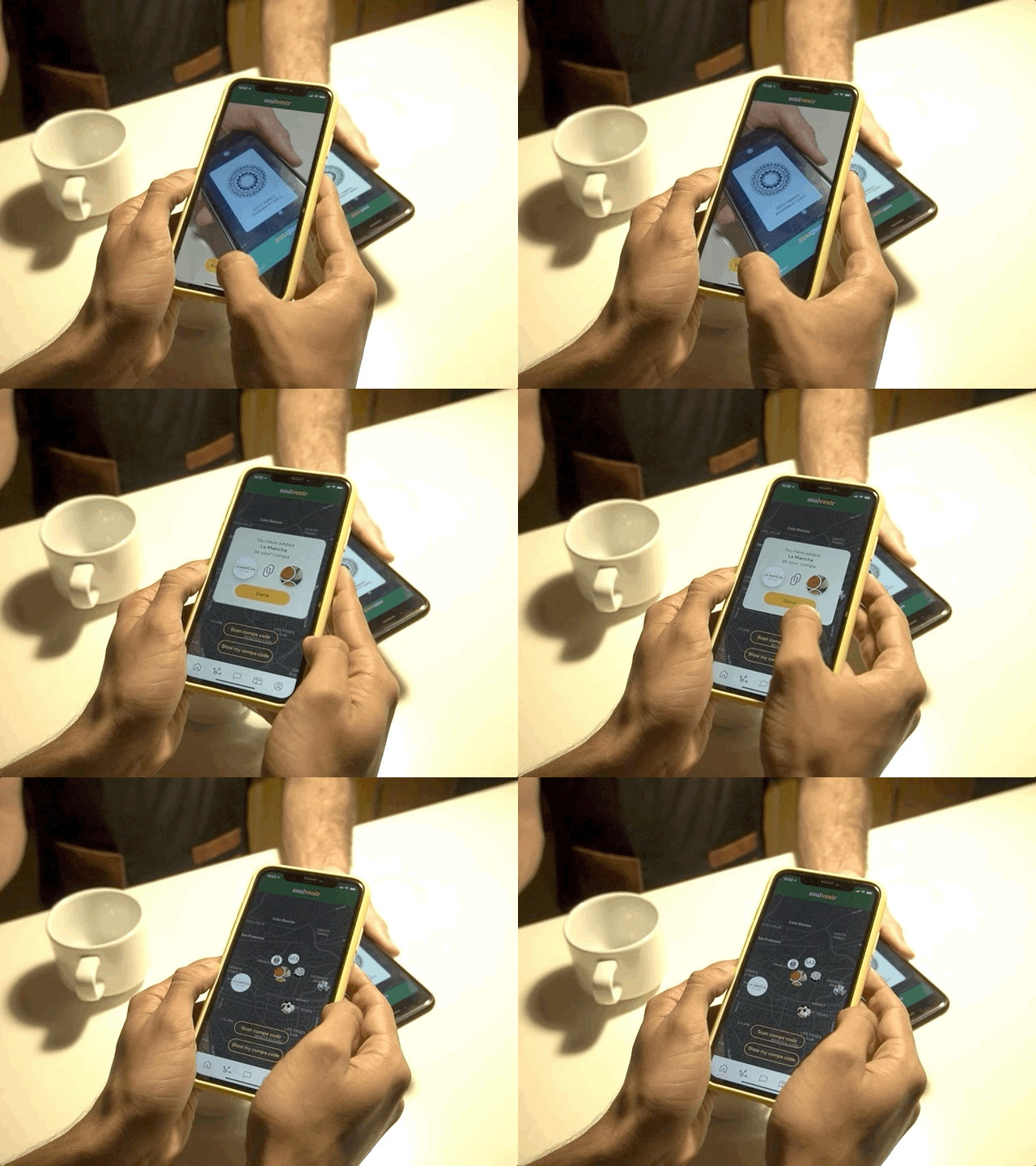
This platform creates an opportunity for local makers to discover each other and curate a unique collaborative experience. They can browse each other's creation, and initiate a chat if both liked each other's profile.
In order to add each other to their Compa networking map (compa means friend in Costa Rican context) ,both makers have to validate each other with a physical scan to encourage an in-person meeting for to establish a trusty relationship beforehand.
Analysis and growth
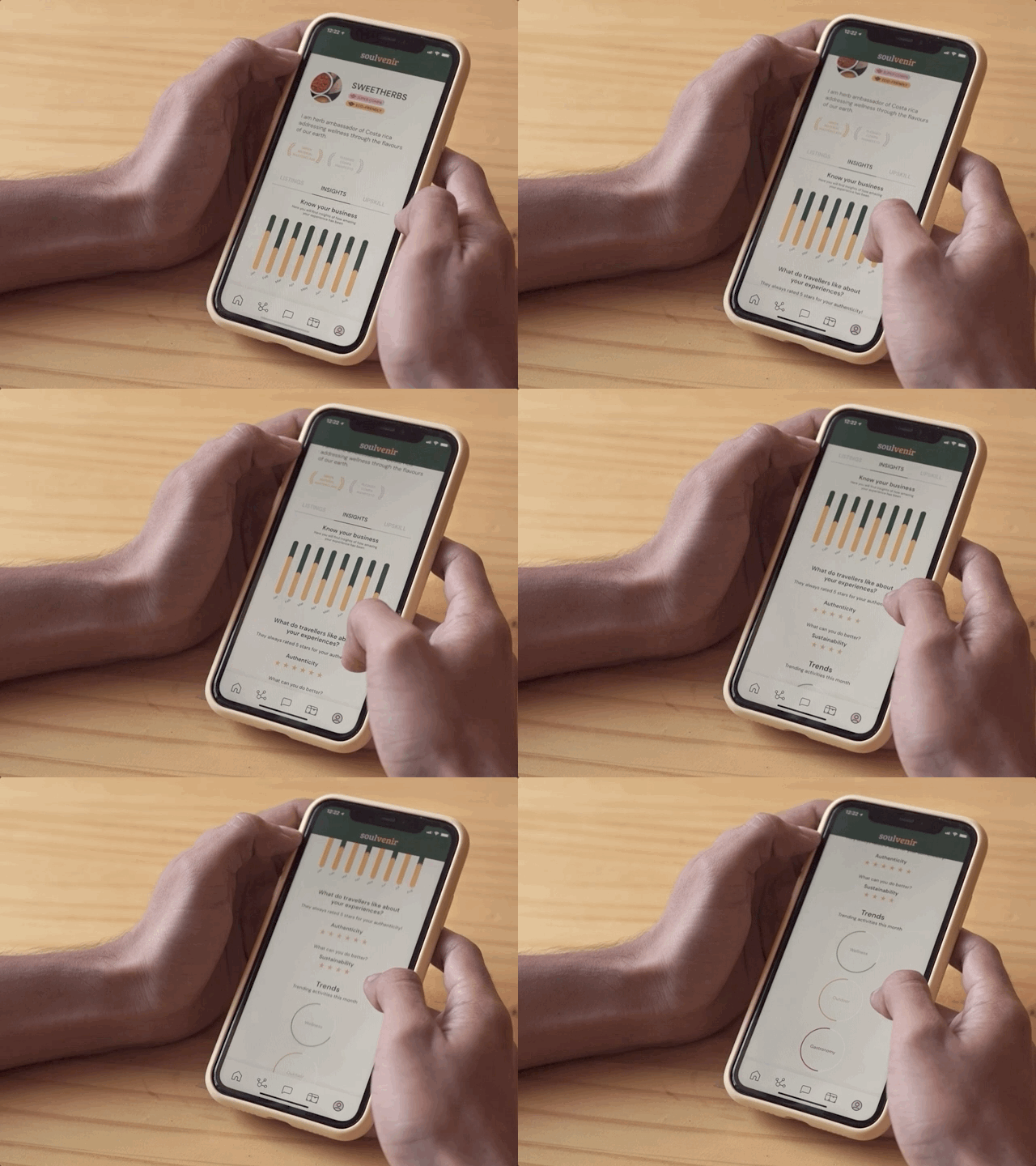
Aside from networking, the platform also provides insights and upskilling program to help local makers get better at what they are doing.
Post travel features
After completing the travel and obtaining the souvenir, the traveler can scan a unique barcode to log and review on the travel experience.
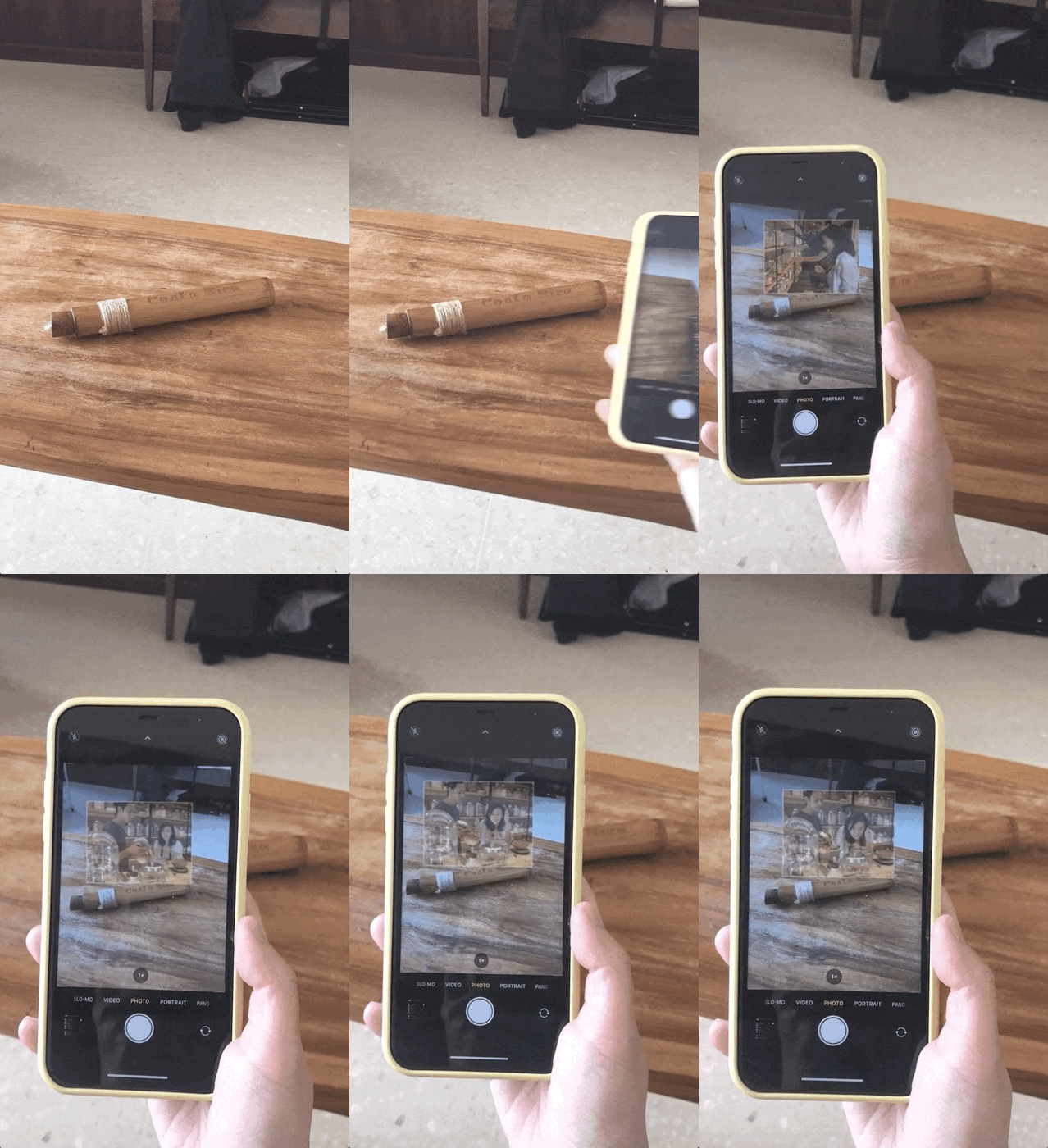
It can also unlock a fun AR feature to relive the travel moment when you hover around the souvenir.
HOW DID WE GET THERE
⚑
During our service design course, we were given the opportunity to look into the tourism ecosystem in Costa Rica and uncover the needs of both travellers and local businesses owners, as well as how COVID-19 is impacting tourism in the community.
We started out with a broad design challenge.
"How might tourism become more resilient and life-centered while simultaneously expanding the economic growth of Costa Rica?"
The research process

Ecosystem mapping
We started research by doing ecosystem mapping of the tourism ecosystem in Costa Rica. Our aim was to validate our assumptions of the interactions between local businesses and travellers.
We identified three areas for further exploration -
1
Create more flows between different actors and improve resilience of the system
2
Extend Costa Rica’s experiential tourism to other untapped experiences
3
Unlock value embedded in the ecosystem
Intercept & In-Depth interview
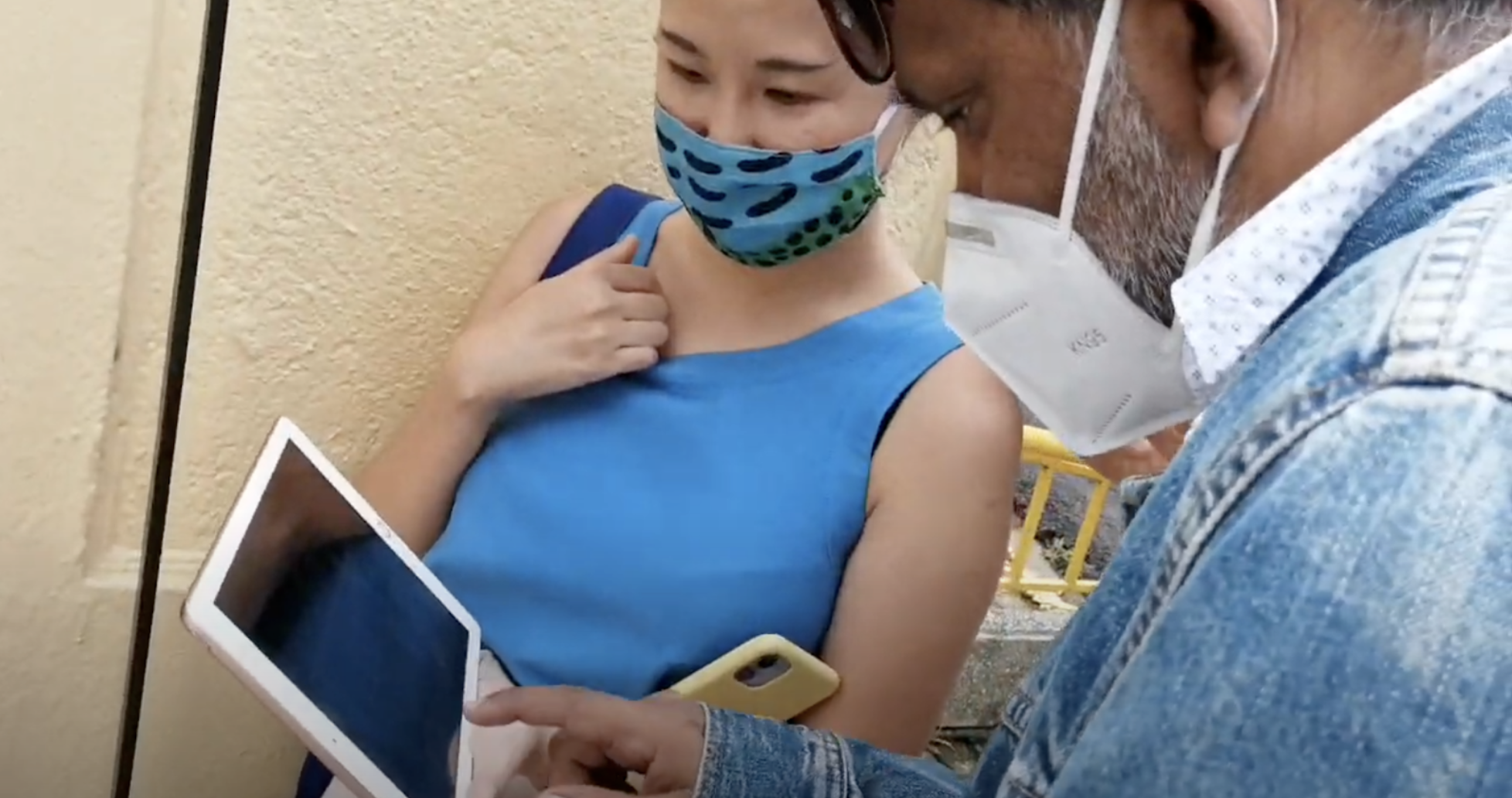
We hit the streets of San José and found one tourist from the US after three hours. We did some quick card sorting activities to understand his expectations and experience as a tourist in Costa Rica. It was a challenging task given the COVID travel restrictions and San José not being a tourist destination.
We spent 9 hours conducting in-depth interviews to understand the wants and needs from 3 different angles
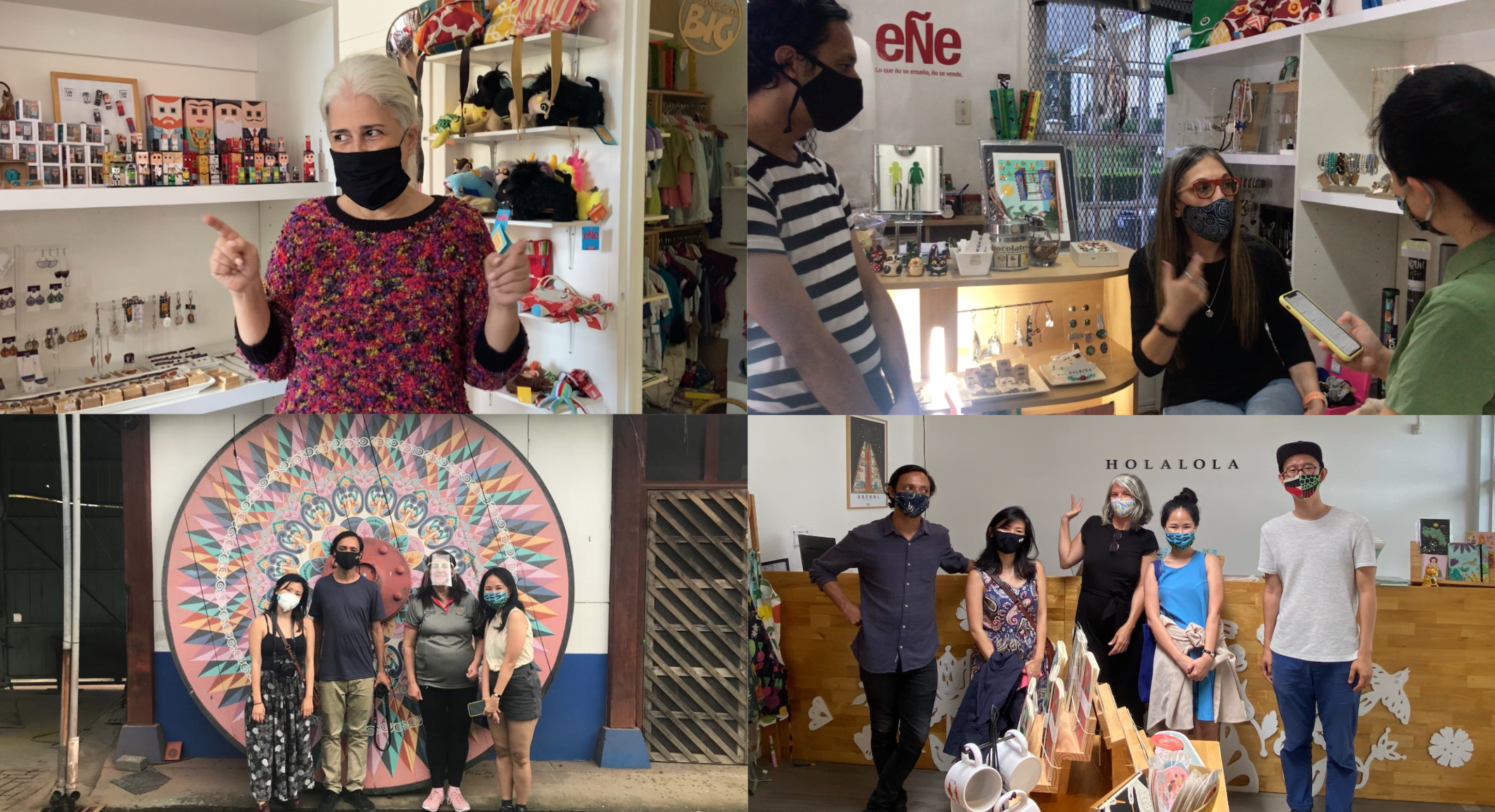
Travelers
Whats and hows of their travel goals and process, from planning through execution
Local businesses
Their wants and challenges
Tourism Experts
Overview of the challenges and trends in Costa Rica tourism sector
Here's a video that summarized the insights we got from the interviewees.
Consolidated insights
1
Souvenirs extend stories of people beyond space and time
2
Local businesses are keen for collaboration and innovative opportunies but always lack of initiative to follow up
3
Trust is crucial in Costa Rica hyperconnected communities
Based on the collected insights, we reframed the brief to help with the ideation process.
How might we leverage Costa Rica’s hyper-connectivity to connect travellers and local communities?
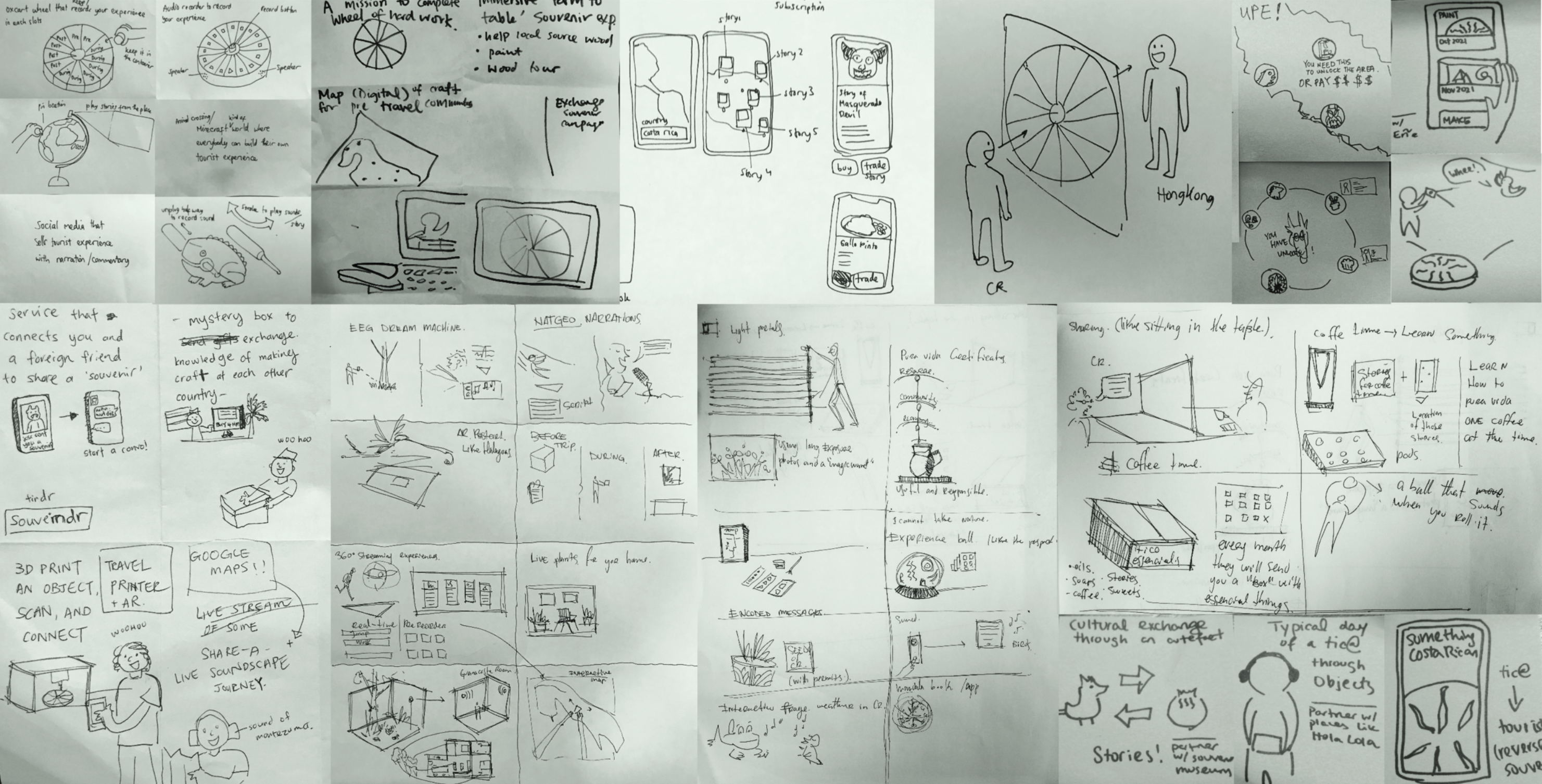
We collated and abstracted our ideas into themes for further exploration. The two themes that intrigued us were:
i) a souvenir tinder matchmaking service (souveindr??)
ii) extending the travel experience through souvenirs
Next we made some paper prototype to mock a low fidelity app experience to test the flow.
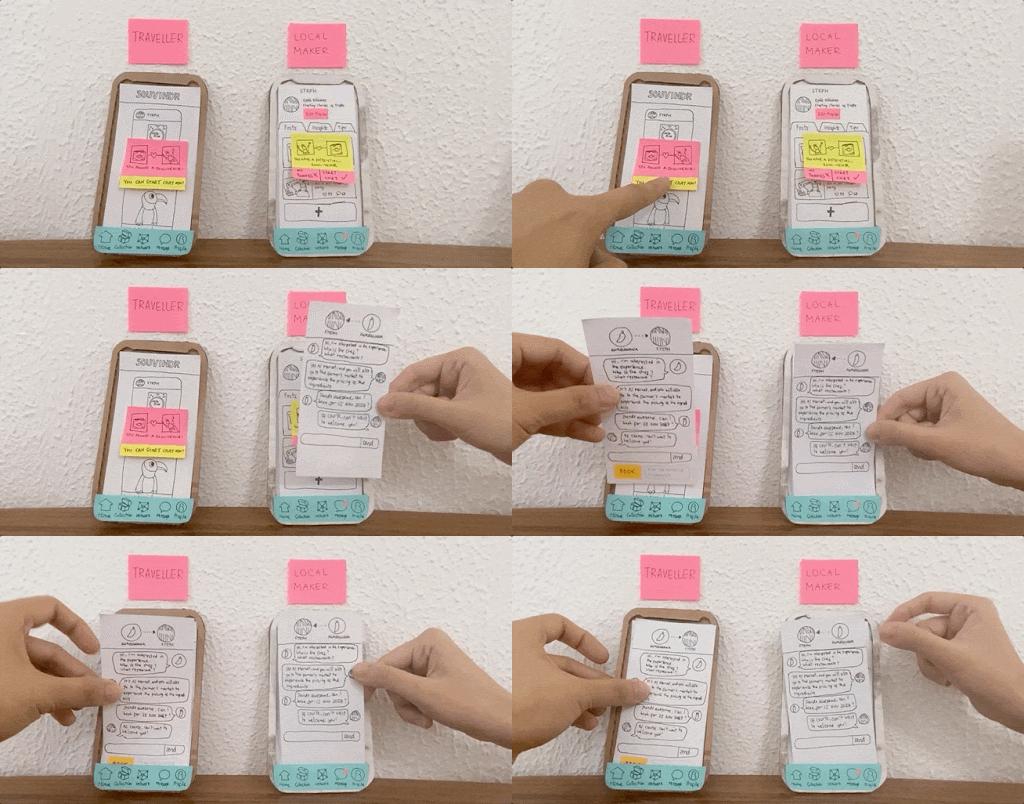
* testing out the mutual like system to activate the chat feature
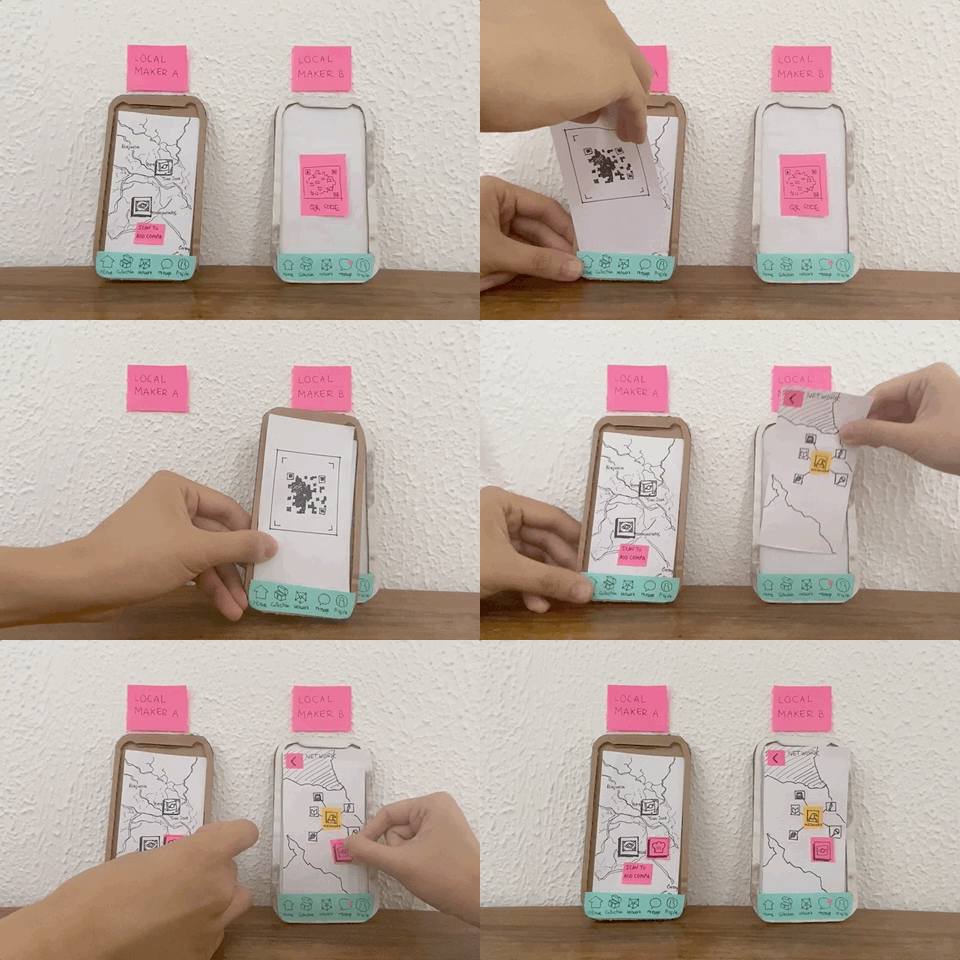
* mocking out the QR barcode scanning system

Co-creation learnings
Overall, both travelers and local makers saw the value from the prototypes.
Our maker participant was particularly excited about the prospects of the positive externalities generated through communal collaboration and using the service as a tool to build connections to potential customers.
‘This really made me think about how I can partner with other businesses to create something new together.’ — Local Maker
One thing that was mentioned during our co-creation sessions was that local artisans often feel the travelers do not respect their space and act in a way that is disrespectful.
Local makers also noted they would like more help with understanding their customers and how to operate their business in a sustainable way.
We took in the suggestions and incorporated extra features that addressed those needs.
Extra fun quiz screening function for local makers to gauge compatibility with traveler
Insights and analytics section for local makers, as well as offline workshops for ongoing training and development with digital badges as proof-of-acknowledgement
Next Steps
Some potential next steps to explore
Spanish version for local makers and intermediary translation services during the experience
Develop a feasible business model that is fair amongst local collaborators
Explore possibilities for small group traveling (up to 3)
Virtual experiences in case of future travel restrictions